
Our Story
The maker & the manager
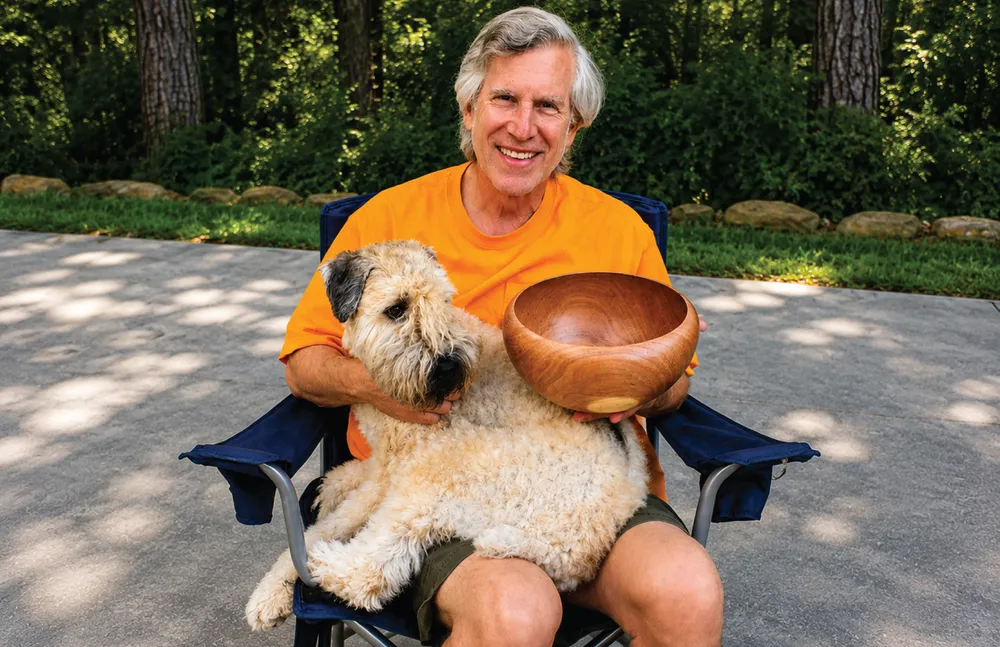
Hi, I'm Baxter. That's Dad up there, holding a mesquite bowl he just pulled off the lathe. He does the making. I do everything else. Here's our whole story — the shop, the wood, and why buying a bowl here feeds more than a fruit habit.
Who Dad Is
A retired guy who finally got his shop
Dad's retired now, which mostly means he traded one full-time job for another — this one just happens to smell like sawdust. He built his dream shop out here in the Montgomery County, Texas countryside, and most days you'll find him at the lathe from sunup until the light gets bad.
He does things the old-fashioned way. Every blank gets picked by hand, chosen for grain that swirls just right or color that nothing else on the shelf has. He turns it slow, chases the shape until it feels right under his palm, then sands it silky-smooth — no rough spots, no shortcuts. When it comes time to price a piece, he keeps it below what you'd expect to pay, on purpose. He'd rather a bowl go home with someone than sit on a shelf looking fancy.
From log to table
How a bowl happens
-
Find the wood
Dad finds wood from all over the world. Some is salvaged from trees that have fallen, and he patiently dries the logs until they're just right for turning. Other exotic pieces come from responsible, sustainable growers around the world.
-
Rough it, then wait
Green wood gets rough-turned thick, dated in pencil, and shelved to dry — for months, sometimes years. The rack is a library of half-made bowls, each one waiting its turn.
-
Turn and listen
The final shape comes off the lathe in long, quiet cuts. Dad checks the wall thickness by sound and by thumb — when a bowl rings right, it's done arguing.
-
Sand, finish, sign
Sanding until the touch is buttery smooth. Multiple coats of food-safe finish — and then he signs the piece, ready for a lifetime of enjoyment.
Why we don't take donations
Here's the thing we want to be really clear about: this shop doesn't take donations. No tip jar, no round-up at checkout, no "give what you can" button anywhere on this site. Dad found that giving works better when it's tied to something real — a bowl someone chose and will actually use — so he built it that way on purpose, and he manages the giving himself. Buying a piece is what gives back. That's the whole model: purchase-driven, not donation-driven. You get a one-of-a-kind piece of wood, local charities gets the support, and nobody has to feel weird asking for money they didn't earn.
Ready to bring one home?
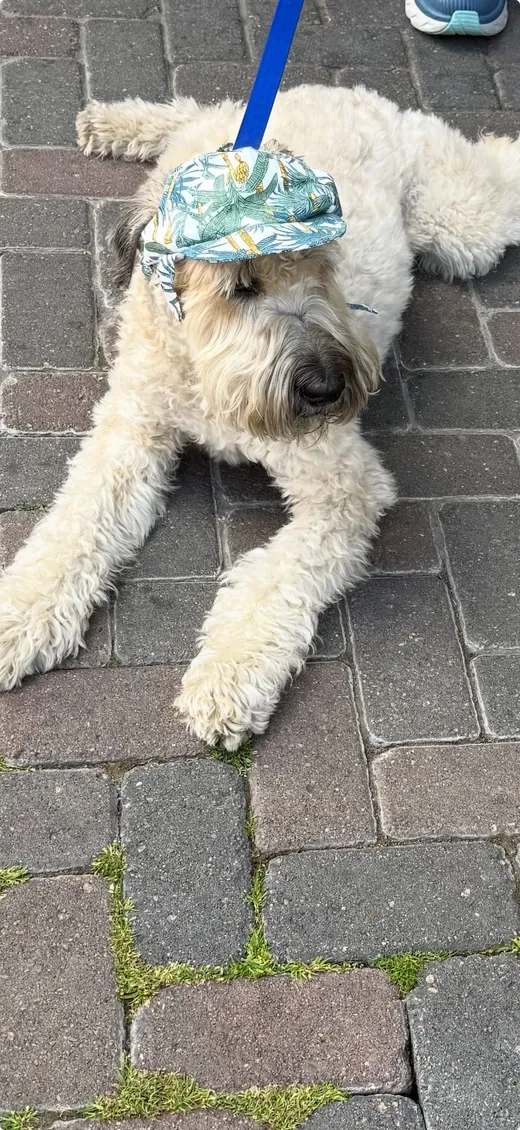
Every bowl and board in the shop is one of a kind, same as the dog who approved it.